
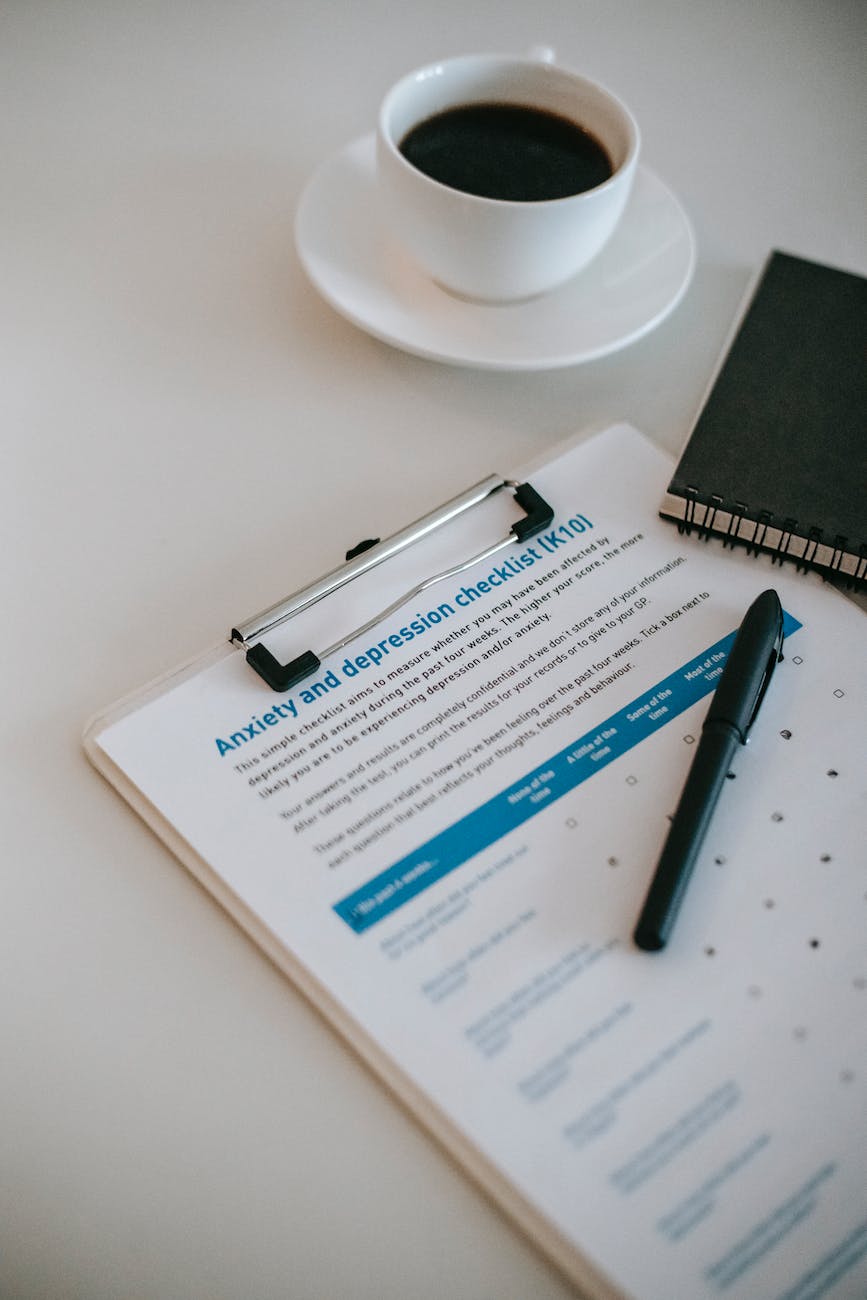
I just finished a research survey posted on nationalmssociety.org. I was struck by the fact that this research was interested in considering emotional/mental behaviors and resilience–like someone actually was willing to get inside the heads and bodies of msers. In nutshell, this captures the big picture of the survey:
“Researchers at the University of Washington invite people with multiple sclerosis to participate in a survey to better understand experiences with stress, coping, and health in people with multiple sclerosis. Chronic illness is often accompanied by increased stress and can lead to health difficulties. While studies have previously explored the relationship between chronic illness and distress, few studies have studied these experiences comprehensively alongside factors such as stigma and coping. By completing this survey, you can help to understand how to improve the health and well-being of people with multiple sclerosis.” (nationalmssociety.org)
The survey was long! It took about 1 1/2 hours to complete. The questions delved into the mindset of a person with MS and sought to inquiry how much our daily lives, relationships, and work lives were impacted by the disease. The questions got behind this disease. It is my contention that whoever wrote the survey included msers and their experiences of not being seen or understood. Truly, asking such questions about the thinking, feeling, emotions, and action on scales that ranked ease to difficulty, impact versus non-impact, and the ranking of emotions was thoughtfully done. I felt like the researchers really wanted to know MS from the patient perspective; that alone was refreshing.
Why is this important? The results can better inform the medical community what it is like on a micro-level to cope with MS. It is really hard to handle seeing medical professionals who just respond to a new symptom or a change one reports with “Yep, that is MS.” This is a club no one wants to join; however, being here, I appreciate the care that went into this survey.
I look forward to seeing the research results.
 MS Fortunate